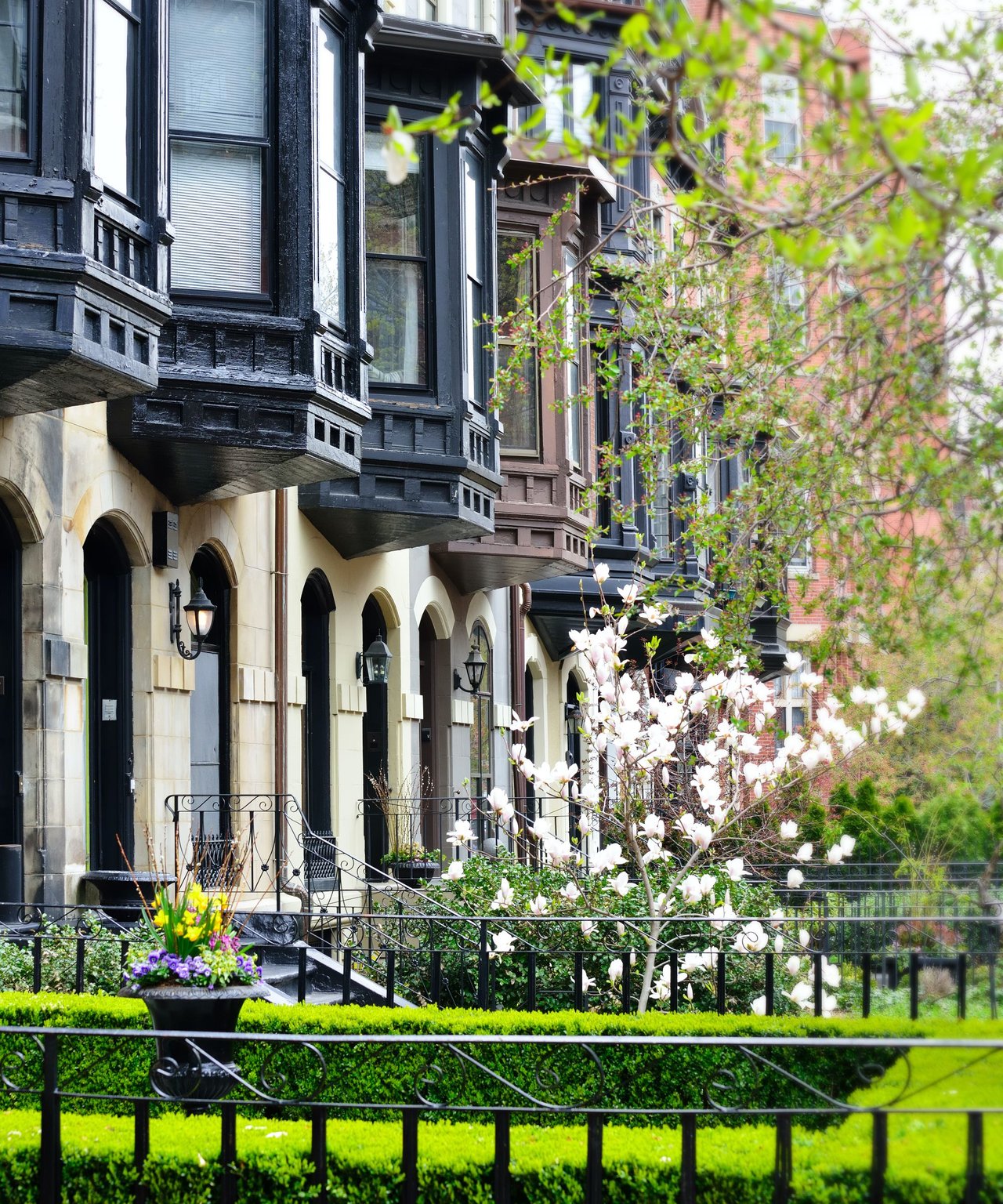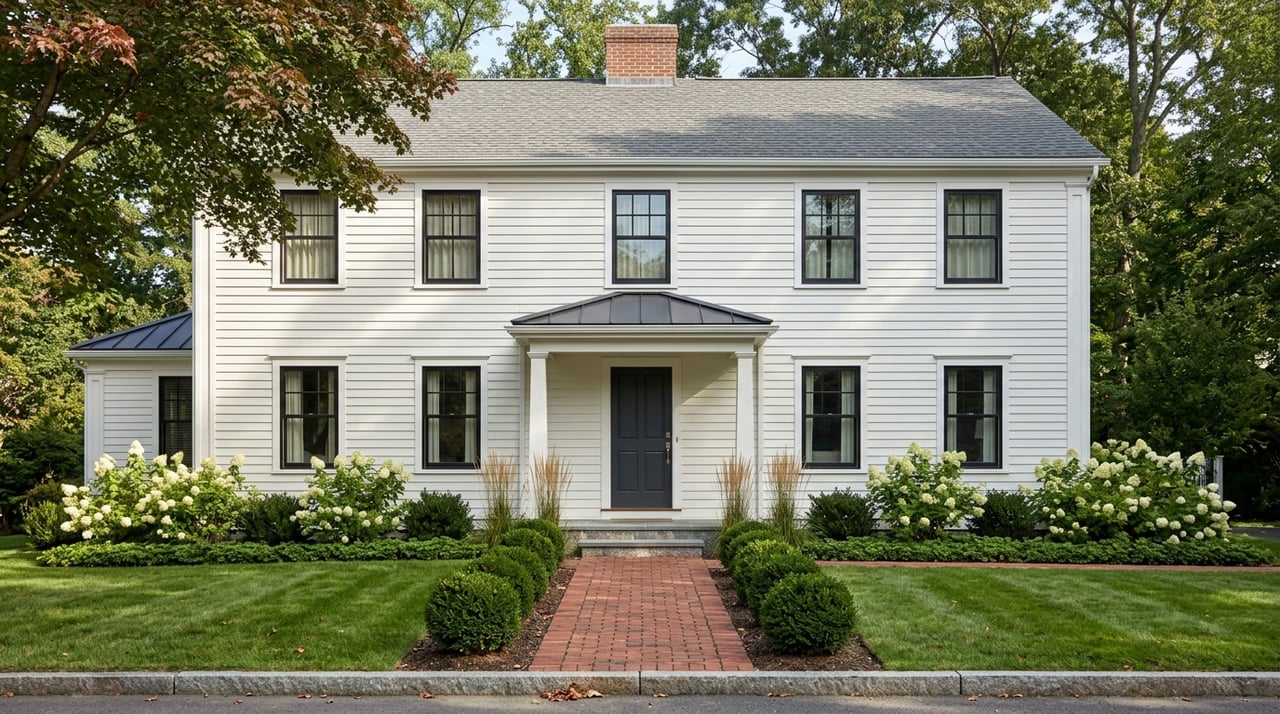
Wondering whether a brand-new build or a classic Colonial makes more sense in Needham? You are not alone. In this market, the choice is rarely just about style. It is often about land, timing, energy performance, and how much work you want to take on after closing. If you are weighing both paths, this guide will help you compare the real trade-offs in Needham and make a more confident decision. Let’s dive in.
Why this choice matters in Needham
Needham is a built-out single-family market, and that shapes nearly every buying decision. According to the town’s 2022 Housing Plan, 77.6% of housing units were single-family detached homes in 2020. The same report notes that much of the housing stock is older, with 22.4% built before World War II and about 41% built in the 1940s through 1960s.
That age mix helps explain why buyers often face a very specific Needham choice. The town says the demolition of older, smaller, less expensive homes has become a primary source of lots for new single-family homes. In practice, that means you may be deciding between an older house with charm and renovation needs, or a newer replacement home on a similar lot.
This decision also plays out in a tight market. As of February 2026, Needham had 37 single-family homes for sale, 1.8 months of supply, and a year-to-date median sales price of $2.3 million. In a low-inventory environment like this, understanding the trade-offs before you make an offer can save you time, money, and stress.
What new construction offers
If you want a home that aligns with current building standards, new construction can be appealing. Needham adopted the Municipal Opt-In Specialized Stretch Energy Code, which took effect on July 1, 2024. The town says the code is intended to move new construction toward deep energy efficiency and efficient electrification.
For you as a buyer, that can mean a home designed with modern systems and fewer immediate retrofit projects. The town also notes that wiring for future electrification is far easier and less expensive during construction than after a home is built. If energy goals and long-term operating efficiency are high on your list, this is a meaningful advantage.
Needham also treats tear-downs of 50% or more of a building footprint as new construction. So even if a property starts with an older home, the final result may fall under the same code expectations as a ground-up build.
Benefits of new construction
New construction may be a good fit if you want:
- Current code-level energy performance
- Modern mechanical systems and infrastructure
- Less near-term maintenance or retrofit work
- A layout designed for today’s living patterns
- A home that may already account for future electrification needs
The timing side of new construction
The trade-off is usually time and process. Needham requires a building permit for construction, reconstruction, alteration, repair, removal, or demolition, so both major renovations and raze-and-rebuild projects move through local review.
The town’s guidance says permits are often issued in about a week if an application is complete and there are no zoning, conservation, or demolition issues, while other town guidance says permits are usually issued within a couple of weeks. But some parts of the process can take longer. The same town timeline notes asbestos-related demolition notices can take 4 to 6 weeks, and conservation approvals can take 5 to 8 weeks.
If you are considering a property for a rebuild or a major project, your move-in timeline may depend as much on approvals as on the house itself. That is why local due diligence matters early.
What classic Colonials offer
Classic Colonials continue to attract buyers in Needham because they can offer established architecture, existing locations within the town’s older housing fabric, and a more immediate path to occupancy. If you do not want to wait through a long pre-construction or review timeline, an existing home may feel more straightforward.
That said, older homes often come with ongoing improvement needs. The U.S. Department of Energy explains that weatherizing a home can improve comfort and save money, and recommends starting with a home energy audit to identify insulation, air sealing, moisture control, and ventilation needs. The agency also notes that many older homes have less insulation than newer ones.
If you buy a classic Colonial in Needham, it helps to view the home through two lenses at once: what it offers today, and what it may need over time.
Benefits of a classic Colonial
A classic Colonial may be a good fit if you want:
- An existing home you can occupy sooner
- Traditional architecture and an established feel
- The option to improve the property over time
- A chance to avoid the full lead time of tear-down or ground-up construction
The upkeep side of older homes
Older homes often need a more active ownership mindset. The Department of Energy points to common upgrade opportunities such as insulation, weatherstripping, and caulking around doors and windows. Those improvements may seem modest, but they can make a real difference in comfort and efficiency.
You will also want to pay close attention to compliance and past work. Massachusetts says homes built before 1978 may contain lead, and sellers and real estate agents must notify buyers and tenants of lead risks. The state also requires lead-safe renovation when paid work disturbs painted surfaces in pre-1978 housing beyond certain thresholds.
Needham adds another important layer. The town warns that open building permits can delay a closing, and if you buy a property with open permits, you become responsible for closing them out. For buyers of older Colonials, that makes permit history, renovation records, and pre-1978 paint risk especially important parts of due diligence.
Lot size can matter as much as the house
In Needham, one of the biggest decision points is not always the structure. It is the lot. The town’s housing plan says almost half of Needham’s land area is zoned for 10,000-square-foot lots, which is relatively uncommon among Route 128 suburbs.
At the same time, the local zoning framework creates meaningful variation. The town’s materials note that Rural Residence-Conservation and Single Residence A districts require 43,560 square feet minimum lot area, while Single Residence B and General Residence require 10,000 square feet. That difference can have a major impact on what you may be able to do later.
If you are buying with long-term plans in mind, lot size, frontage, and setback rules may matter just as much as bedroom count or finishes. A classic Colonial on the right lot may offer future expansion potential. A new construction home may already maximize the site in a way that limits future flexibility. Either scenario can work well, but only if it matches your goals.
How to compare your options
When buyers in Needham are choosing between new construction and a classic Colonial, the most useful framework is often practical rather than emotional. Ask yourself:
- Do you want a home that is closer to current energy and electrification standards?
- Are you comfortable taking on upgrades over time?
- How important is immediate occupancy?
- Are you buying mainly for the house, or for the lot and long-term potential?
- How much permit and renovation risk do you want to inherit?
In this market, there is no universal right answer. A newer home may reduce your project list but come with a higher price and less flexibility on timing if construction is involved. A classic Colonial may offer character and opportunity, but it can also bring more diligence and more post-closing planning.
A simple side-by-side view
| Factor | New Construction | Classic Colonial |
|---|---|---|
| Energy performance | Often aligned with current code and electrification goals | May need audits and upgrades over time |
| Maintenance needs | Typically lower in the near term | Often higher, especially for older systems and envelope work |
| Timeline | Can involve permitting, review, or build delays | Usually a faster path to occupancy |
| Due diligence focus | Site, approvals, and construction status | Permit history, lead risk, and condition of past updates |
| Long-term flexibility | Depends heavily on lot and site planning | Depends on lot, zoning, and renovation potential |
The Needham bottom line
In Needham, the question is not simply new versus old. It is really lifestyle, timing, energy goals, and lot potential versus project tolerance. In a town where older homes are often replaced by larger new builds, the smartest buyers look beyond curb appeal and ask how the property fits their next five to ten years.
If you are comparing homes in Needham, a local, property-specific review can make the decision much clearer. The right choice depends on how you want to live, how quickly you want to move, and how much uncertainty you are willing to manage along the way.
If you want a thoughtful, data-informed second opinion as you compare properties in Needham, connect with Keenan Flynn. You will get clear guidance tailored to your timeline, priorities, and the realities of this market.
FAQs
Should you buy new construction or an older Colonial in Needham?
- The better fit depends on your priorities. New construction may appeal if you want current energy standards and less immediate work, while an older Colonial may suit you if you prefer an existing home and are comfortable managing upgrades over time.
What makes buying in Needham different from other suburbs?
- Needham is a built-out market where lot value, zoning, and rebuild potential can matter as much as the home itself. The town’s housing plan shows that tear-downs are a key source of land for new homes.
What should you check before buying an older Colonial in Needham?
- Focus on permit history, the condition of prior renovations, possible lead-related obligations for pre-1978 homes, and likely energy upgrades such as insulation or air sealing.
How do permits affect new construction timelines in Needham?
- Needham requires permits for demolition, reconstruction, and major work. While some complete applications may move quickly, asbestos notices, conservation review, and other issues can extend the timeline.
Why does lot size matter when buying a home in Needham?
- Lot size, frontage, and setbacks can shape whether a home is a good candidate for future additions or a rebuild. In Needham, zoning districts have different minimum lot area requirements, so the same house style can have very different long-term potential depending on the parcel.