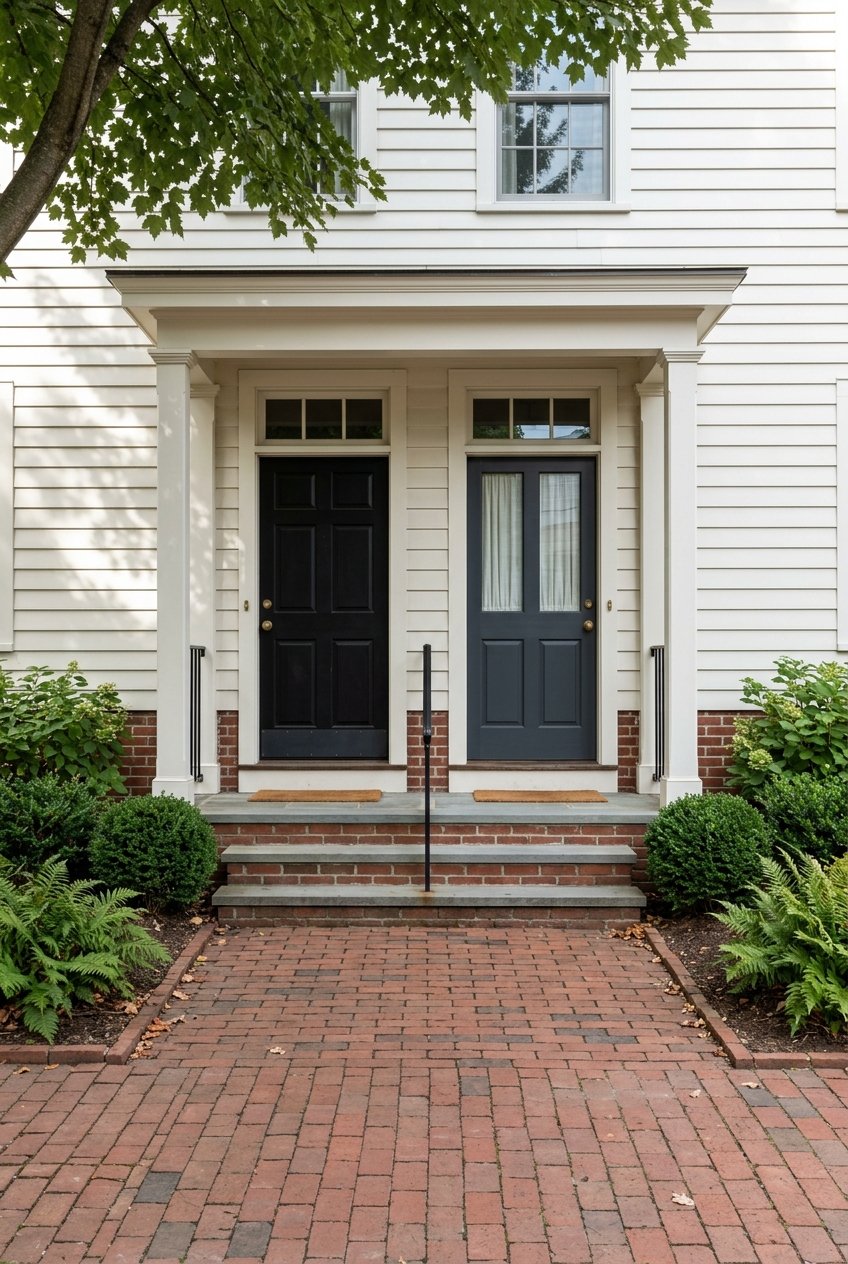
Trying to choose between a Boston condo and a townhome? You are not alone. In a city where space, convenience, and monthly costs all matter, the right fit often comes down to how you want to live day to day, not just what looks best in a listing photo. This guide breaks down the real differences, what to watch for in Boston, and the questions that can help you buy with confidence. Let’s dive in.
Boston condo vs townhome basics
In Boston, the difference between a condo and a townhome is not always just about the building style. It is also about how the property is legally owned and maintained.
Under Massachusetts condominium law, a condo owner owns their individual unit and shares ownership of common areas. Those common areas can include the roof, land, yards, parking areas, storage spaces, and common walls. Some spaces, like balconies or terraces, may be set up as limited common areas for the exclusive use of certain owners.
A townhome is usually an attached home with one or two shared walls, often spread across two or three levels with a private entrance. As Fannie Mae explains, the key issue is not only the layout. You should also confirm the deed and governing documents so you know what is privately owned and what is shared.
Why the legal setup matters
Two homes can look similar on the outside but work very differently once you own them. A townhouse-style property might still be legally structured as a condo, which means maintenance, fees, and owner responsibilities could be different from what you expect.
That is especially important in Boston, where buyers often compare attached homes in dense neighborhoods and assume the ownership setup is straightforward. Before you decide, make sure you understand the master deed, bylaws, and association documents.
Condos: best for convenience
If you want a lower-maintenance lifestyle, a condo may be the better fit. In many condo buildings, the association manages shared elements and collects fees to cover common repairs and maintenance.
Fannie Mae notes that condo owners typically pay recurring fees for their share of common upkeep. The CFPB also points out that condo and HOA dues are usually paid separately from your mortgage payment, so your true monthly cost is more than principal, interest, taxes, and insurance.
For many Boston buyers, that trade-off is worth it. If you prefer building-managed maintenance and are comfortable with more shared spaces, a condo can offer simplicity and predictability.
Common condo advantages
- Less exterior maintenance for you to handle directly
- Shared responsibility for major common elements
- Building-managed convenience
- Often a practical fit for buyers who want an easier day-to-day setup
Common condo trade-offs
- Monthly association fees
- Shared hallways or common building areas in many properties
- Board or association rules that can affect changes and use
- Possible special assessments from time to time
Townhomes: best for a house-like feel
If you want a property that feels more like a traditional home, a townhome may stand out. Fannie Mae describes townhomes as attached homes that usually have a private entrance and often include a private deck or patio.
That layout can appeal to buyers who want more separation from neighbors without moving into a detached single-family home. In Boston, where private entry and outdoor space can be highly valued, a townhome can offer a nice middle ground.
Still, you should not assume a townhome automatically means fewer rules or no shared costs. Some townhome communities have HOA fees, and the amount of shared upkeep can vary a lot from one development to another.
Common townhome advantages
- More house-like layout
- Private entrance in many cases
- Potential for more private outdoor space
- Often a stronger fit if privacy is high on your list
Common townhome trade-offs
- Maintenance responsibilities may be broader, depending on the legal structure
- HOA fees may still apply
- Shared walls still affect privacy to some degree
- Exterior changes may still require approval
Maintenance and fees in Boston
For many buyers, this is the section that matters most. The monthly fee is important, but what really matters is what that fee covers.
In a condo, shared costs often include maintenance and repair of common areas. In a townhome community, the fee might cover only limited items, or it might be more comprehensive. That is why comparing the number alone is not enough.
As you tour homes, ask whether the fee covers roof work, siding, windows, snow removal, parking areas, and common-wall repairs. In Massachusetts, some of these items may fall under common areas and common expenses, but the governing documents control the details, as reflected in the state law definition of common areas.
Privacy and outdoor space
Your lifestyle can quickly point you toward one option or the other. If you value a private entrance, side-by-side living, or a small patio or deck, a townhome may feel like the better match.
If you are comfortable with shared hallways or less private outdoor space, a condo may give you the easier-maintenance experience you want. In Boston, outdoor space should also be reviewed carefully because a balcony, terrace, or storage area may be deeded to you, assigned as a limited common area, or shared under the condo structure, as allowed by Massachusetts law.
Rules, approvals, and flexibility
Whether you buy a condo or a townhome, you are not just buying the home itself. You are also buying into a set of governing documents and, in many cases, an association structure.
Massachusetts condo associations have authority to manage common areas and collect common expenses under state law. The CFPB and Fannie Mae both note that HOA or board rules can affect things like exterior changes, landscaping, rentals, pets, and structural work.
That does not make one property type better than the other. It just means you should match the rules to your lifestyle. If you want flexibility, read the documents carefully before you commit.
Boston prices often overlap
Many buyers assume condos are always cheaper than townhomes. In Boston, that is not always true.
According to Redfin’s Boston market data, the city’s median sale price was $812,500 in February 2026, with homes taking about 52 days to sell and receiving about 2 offers on average. Current inventory showed 935 condos at a median listing price of $850K and 53 townhouses at a median listing price of $850K.
That tells you something important. In Boston, the label alone does not determine value. Features like neighborhood, parking, outdoor space, building condition, and association costs can matter just as much, if not more.
Broader regional data support the same idea. The Warren Group reported a Greater Boston year-to-date 2025 condo median sale price of $618,986, while the larger takeaway in the research is that condo pricing in Boston was essentially stable year over year. For you as a buyer, that means it is smart to compare total value and monthly ownership cost, not just property type.
Questions to ask before you buy
The best condo or townhome decision usually comes from asking sharper questions during showings and due diligence.
Ask about total monthly cost
Do not stop at the asking price. Ask what the monthly fee is, what it covers, and what it does not cover. Since condo and HOA dues are usually separate from your mortgage payment, you need the full monthly picture.
Ask about assessments and reserves
You should also ask whether there are pending special assessments, reserve issues, or project financing concerns. Fannie Mae’s HOA guidance highlights how project condition and association health can affect ownership and financing.
Ask about outdoor space rights
If a listing mentions a deck, patio, roof area, terrace, or storage space, ask how it is classified. Is it deeded to the unit, assigned as exclusive-use limited common area, or shared? That distinction can affect both use and responsibility.
Ask who handles big-ticket items
Clarify responsibility for the roof, siding, windows, parking, snow removal, and common-wall repairs. These details can change your budget expectations in a big way.
Ask about rules that affect your plans
If pets, rentals, renovations, or exterior updates matter to you, ask early. Restrictions are not unusual, and it is better to know upfront than after closing.
Ask how the townhome is titled
If you are looking at a townhome, confirm the legal ownership structure before making assumptions. As Fannie Mae notes, the physical form of the home is not the same as its legal setup.
Which Boston property type fits you best?
A condo may be the better fit if you want lower exterior maintenance, building-managed convenience, and are comfortable with shared spaces and association rules. A townhome may be the stronger choice if you want a more house-like layout, a private entrance, and possibly more privacy or outdoor space.
In Boston, though, the decision is rarely just condo versus townhome. It is really about ownership structure, maintenance responsibility, monthly cost, and how you want to live. When you compare those factors closely, the right option usually becomes much clearer.
If you are weighing condos against townhomes in Boston and want a practical, data-driven second opinion, Keenan Flynn can help you compare properties, documents, and monthly costs so you can move forward with confidence.
FAQs
What is the main difference between a Boston condo and a Boston townhome?
- A Boston condo is usually defined by legal ownership of an individual unit plus shared interest in common areas, while a Boston townhome is often a physical style of attached home that may still have different legal ownership structures.
Are Boston condos always less expensive than Boston townhomes?
- No. Boston market data show significant price overlap, with current median listing prices for both condos and townhouses at about $850K, so features and monthly costs often matter more than the label.
Do Boston townhomes have HOA fees?
- Sometimes. Townhomes can have HOA fees, and what those fees cover varies by development, so you should review the association documents carefully.
What should you ask about fees when buying a Boston condo or townhome?
- Ask what the monthly fee covers, what it does not cover, and whether there are any pending special assessments, because dues are typically separate from your mortgage payment.
How is outdoor space handled in a Boston condo?
- Outdoor areas like balconies or terraces may be deeded, shared, or set up as limited common areas for exclusive use, so you should confirm the exact legal status in the documents.
Why does legal ownership matter for a Boston townhome?
- The legal setup helps determine maintenance responsibility, shared costs, and what parts of the property are privately owned versus shared, which can significantly affect your ownership experience.