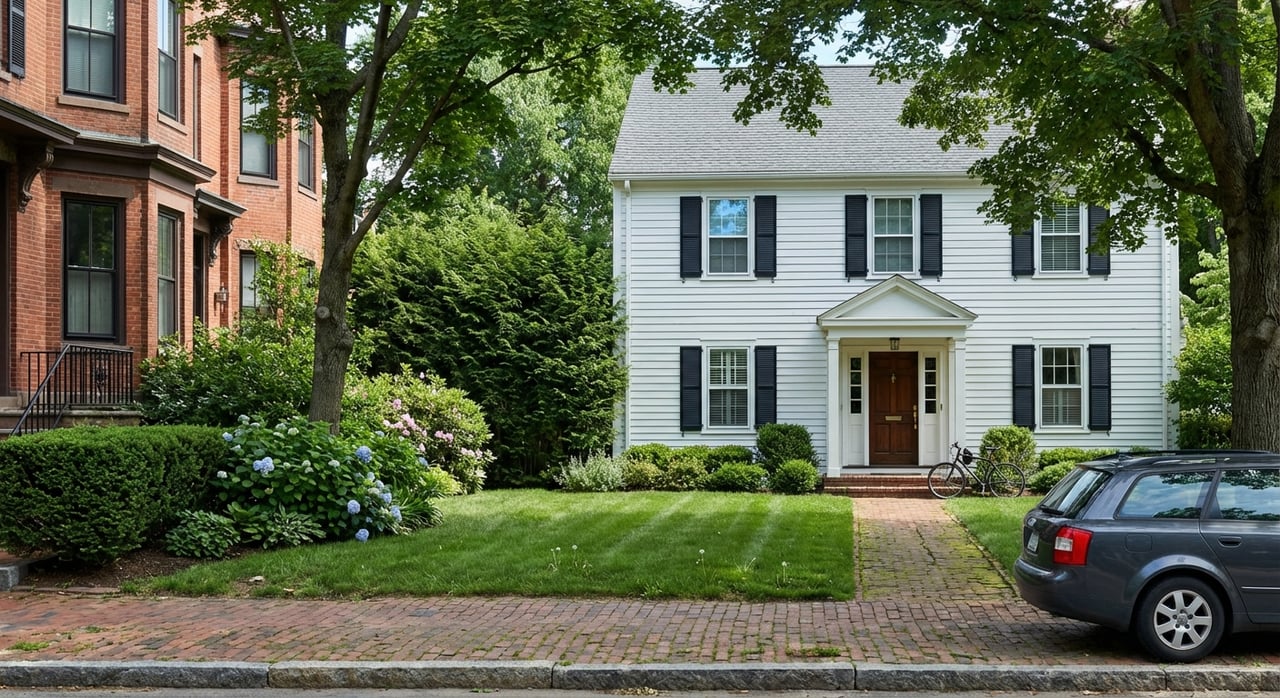
Debating between Boston’s energy and a backyard in the suburbs? You are not alone. Many Greater Boston buyers compare city life with towns like Wellesley and Needham as jobs, budgets, and routines evolve. In this guide, you will see clear price and lifestyle differences, what commutes actually feel like, and a simple way to decide what fits your next chapter. Let’s dive in.
The short version
- Prices: Recent snapshots show Boston’s citywide median sale price in the low-to-mid $800k range, while Wellesley often sits near the low-to-mid $2M range. Needham’s monthly medians vary more, sometimes landing between the mid‑$1M and mid‑$2M range.
- Commutes: Mean one‑way travel times average about 31 minutes for Boston residents and the high‑20s for Wellesley and Needham. These are population averages, not door‑to‑desk guarantees.
- Housing types: Boston skews to condos, multifamily, and compact single-families. Wellesley and Needham lean toward larger single‑family homes with yards.
- Lifestyle: Boston is very walkable with top-tier cultural access. Wellesley and Needham are quieter and more car‑dependent overall, with walkable village centers near the commuter‑rail stations.
- Data note: Suburban monthly medians can swing widely because of low sales counts. Use 6–12 month rolling medians and neighborhood comps when you get serious.
Home prices and housing types
Boston snapshot
Boston’s housing mix is heavy on condominiums, classic brownstones, and multifamily buildings. Recent market snapshots put the citywide median sale price at roughly $825,000. Prices vary a lot by neighborhood; luxury pockets like Back Bay and Seaport sit well above the city median, while outer neighborhoods can offer more value. Expect strong amenity access and smaller yard space.
Wellesley snapshot
Wellesley trends higher with a typical median in the $2M range. The market is dominated by single‑family homes, many on larger lots, plus a compact, walkable village core near the three commuter‑rail stations. One or two high‑end sales can move the monthly median more than you might expect, so look at a longer window when comparing.
Needham snapshot
Needham offers a mix of walkable downtown living near Linden Square and established single‑family neighborhoods. Monthly medians here can jump around because the town has fewer closings each month. Over a 6–12 month window, buyers often see a mid‑$1M to low‑$2M range depending on size, location, and new‑construction supply.
Commute and transport reality
Average travel times
Census data shows mean one‑way travel times of about 31 to 31.7 minutes for Boston residents, and roughly 27 to 28 minutes in Wellesley and Needham. That similarity surprises many buyers. City commuters often use transit or walk, while suburban commuters may rely on faster highway segments or commuter rail. These are averages across all commuters, so your individual experience will vary. You can review Boston’s profile on Census Reporter for context and methodology.
- Reference: See the Boston profile on Census Reporter for commute means and definitions: Census Reporter: Boston profile.
Commuter rail access
Both towns have direct MBTA commuter‑rail routes into Back Bay and South Station. Needham is served by the Needham Line with multiple in‑town stops. Wellesley has three stops on the Framingham/Worcester Line. Service frequency varies by time of day; many peak periods offer roughly hourly to half‑hourly options. For an overview of stations and lines, review the regional planning resources that track commuter‑rail usage and coverage.
- Reference: Station lists and line coverage are summarized by the Boston region’s MPO: CTPS commuter rail coverage.
Driving and parking
A 20–25 minute off‑peak drive from Wellesley or Needham into central Boston can stretch to 35–60 minutes or more at peak times. The wildcard is parking. If you plan to drive daily, include garage or surface‑lot costs and the time it takes to park and walk.
Hybrid work effect
Hybrid schedules reduce weekly round trips for many knowledge workers. That can make a move‑up suburban home more practical if you are not facing a five‑day downtown commute. Calibrate your search to your employer’s in‑office expectations.
Daily life and tradeoffs
Walkability and errands
If you want daily errands on foot, Boston excels. Citywide, Walk Score rates Boston as very walkable, with many core neighborhoods scoring in the 90s. Wellesley and Needham are more car‑dependent across most neighborhoods, though each has a compact, lively center near commuter‑rail stops.
- Explore walkability snapshots: Walk Score: Boston and Walk Score: Needham.
Schools and enrollment
Suburban districts like Wellesley and Needham are often rated highly by third‑party sites. Boston Public Schools is a large urban district with more variation among schools, including specialized exam schools. If school fit matters to you, review objective report cards and visit campuses. Third‑party ratings are a starting point, not a final verdict.
- Start your research here: GreatSchools overview for Wellesley.
Taxes and carrying costs
Your monthly budget changes when you shift from a city condo to a suburban single‑family. In Massachusetts, property‑tax bills depend on assessed value, local rates, and policies like residential exemptions. Boston’s exemption can meaningfully change your effective bill compared with the nominal rate. Always pull current figures from the local assessor before you write offers.
- Helpful context on Boston bills and exemptions: Boston property tax overview.
Amenities and services
Boston puts museums, major hospitals, restaurants, and entertainment at your doorstep. Suburbs deliver quieter streets, more private outdoor space, and community‑scale amenities. Wellesley and Needham each offer an active downtown with dining and retail, plus recreation programs and seasonal events.
The money model
When comparing a Boston condo to a suburban single‑family, build a simple, apples‑to‑apples budget.
- Purchase price and likely appraisal range based on 6–12 month comps by neighborhood and product type.
- Monthly carrying costs: mortgage, taxes, homeowner’s insurance, utilities, and maintenance. Compare these with condo fees and potential city parking costs.
- Commute costs: MBTA pass versus gas, tolls, parking, and your time. Include station parking options and commuter‑rail zone pricing when relevant. Regional summaries of station coverage can help you plan access and frequency: CTPS commuter rail coverage.
- Resale positioning: who your likely future buyer will be and what features they will value in that micro‑market.
A simple decision framework
Use these prompts to clarify fit, then test two or three real options.
- Commute and routine
- How many in‑office days are required, and at what times of day will you travel?
- Can you live near a commuter‑rail stop or within a short drive to parking?
- Space and layout
- Do you need a yard, a home office, or a guest suite for extended stays?
- Would you trade square footage for proximity to restaurants and transit?
- Budget and predictability
- Are you comfortable with higher maintenance costs and taxes for a larger home?
- Or do you prefer a lower‑maintenance condo with HOA fees that bundle services?
- School and program fit
- If schools matter, which specific campuses and programs align with your goals?
- What are the enrollment timelines and boundary rules for your target address?
- Lifestyle priorities
- Do you value walk‑to‑everything convenience most days?
- Or do you want a quieter street with more private outdoor space?
How we help you move well
Cross‑market moves succeed when strategy and timing are aligned. Our role is to bring clarity and coordination across both sides of your move.
- Pricing and comps that reflect neighborhood‑level nuance and product type.
- Timing intelligence on seasonality, days‑to‑contract, and closing windows.
- Offer sequencing that fits your risk tolerance and cash plan. Options include sell‑then‑buy, buy‑then‑sell, and well‑structured contingencies.
- Access to trusted lenders, inspectors, stagers, movers, and school resources.
- Polished presentation and Compass marketing when you list, with a focus on what today’s buyers value in each micro‑market.
Quick checklist
- Confirm your employer’s in‑office expectations and test a real commute at peak time.
- Compare 12‑month rolling medians and on‑market comps in the exact neighborhoods you like.
- Build a full monthly budget that includes taxes, insurance, utilities, and, if applicable, HOA and parking.
- If schools factor in, pull official state report cards and visit campuses.
- Map your sequencing plan with your advisor and lender before you start writing offers.
Ready to compare specific homes and timelines in Boston, Wellesley, or Needham? Start a focused, data‑driven plan with Keenan Flynn.
FAQs
What are current median home prices in Boston vs Wellesley and Needham?
- Recent snapshots show Boston around the low‑to‑mid $800k range, Wellesley near the low‑to‑mid $2M range, and Needham varying by month between the mid‑$1M and mid‑$2M range; always verify with 6–12 month comps before deciding.
How long are typical commutes from Wellesley or Needham to Boston?
- Census means are roughly 27–28 minutes for Wellesley and Needham and about 31 minutes for Boston residents, but your door‑to‑desk time depends on proximity to a station, train frequency, traffic, and parking; test your route.
How does walkability compare between Boston and the suburbs?
- Boston rates very walkable citywide with many errands possible on foot, while Wellesley and Needham are more car‑dependent overall with walkable village centers near commuter‑rail stops.
How should I compare taxes and carrying costs between a condo and a single‑family?
- Build a full monthly model that includes mortgage, taxes, insurance, utilities, maintenance, and, if applicable, HOA and parking; note that Boston’s residential exemption affects effective tax bills, so use current assessor figures.
What is the best way to sequence selling and buying if I am moving from Boston to a suburb?
- Choose among sell‑then‑buy for lower risk, buy‑then‑sell for continuity, or a well‑structured contingency; align the plan with your lender’s options and market timing in both locations before you start making offers.