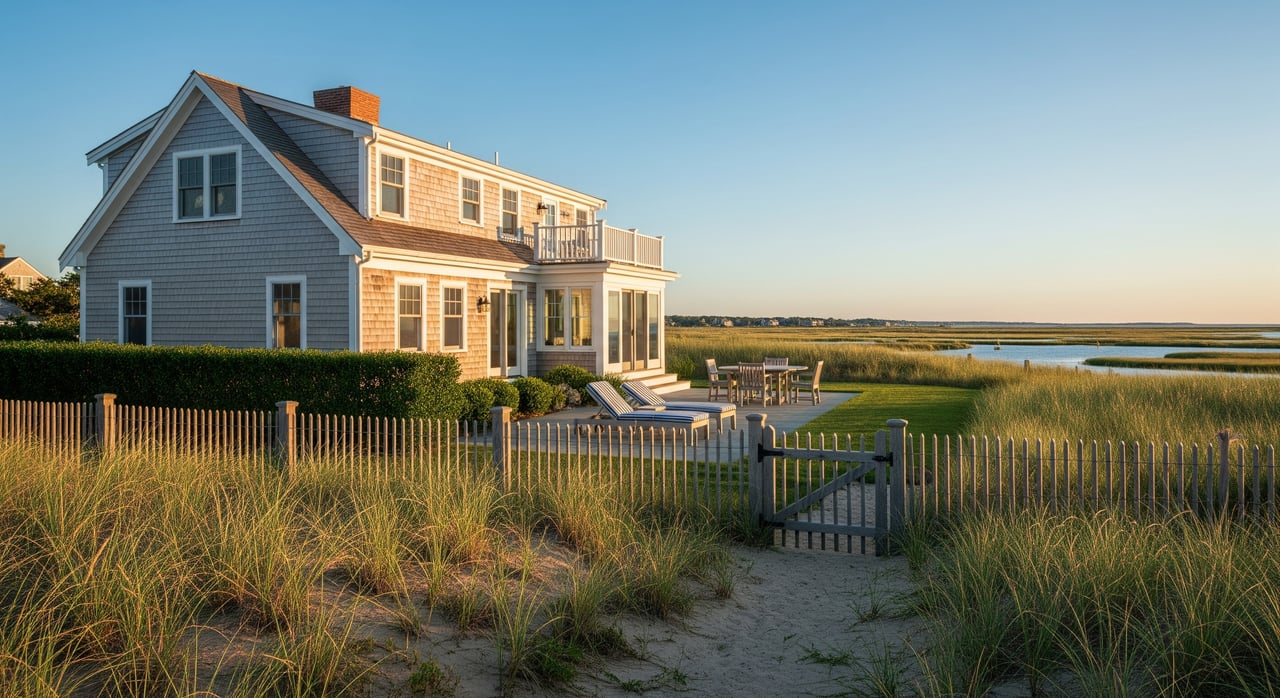
Thinking about buying a Cape Cod getaway and offsetting costs with short-term rental income? Barnstable can be a great market, but the rules, taxes, and operations matter as much as the view. A little homework now will help you stay compliant, protect your investment, and model cash flow with confidence. In this guide, you’ll learn how registration works, what taxes you may owe, how to plan for septic and safety, and how to underwrite seasonality in Barnstable. Let’s dive in.
Barnstable rules overview
Barnstable regulates short-term rentals locally through licensing, health, and zoning offices. The town can update requirements, so it is important to confirm current policies before you buy. You can start with the Town of Barnstable website and contact the licensing or health departments for the latest forms and guidance.
Expect to register your rental, keep safety standards, and follow occupancy and parking rules. Some towns require a responsible local contact, proof of insurance, and posting a permit number on listings. Barnstable enforces its rules with warnings, fines, and possible permit suspension when violations occur.
Registration and permits
Barnstable requires municipal oversight of short-term rentals. Plan to submit owner and property details, including bedroom count, septic type, and parking. If you do not live nearby, you may need to designate a local agent to respond to issues.
Confirm whether you must post a permit number on your listings and how often you must renew. Ask about inspection triggers, fees, and timelines. Before you write an offer, verify the seller’s current permit status and any history of complaints or violations.
Occupancy and safety standards
Occupancy limits often tie to bedroom count or square footage. Barnstable can also set minimum night stays in certain areas or seasons. Your listing should clearly state house rules and maximum guests, and you should verify that the bedroom count and layout match filings with the town.
Safety is nonnegotiable. Your property should have working smoke and carbon monoxide detectors, a fire extinguisher, and clear emergency exit information. Check that hallways and stairs are well lit and that exterior numbers are visible for first responders.
Septic, trash, and health basics
Many Barnstable homes use private septic systems. Transient occupancy can stress a system, so Title 5 compliance is essential and may impact allowed occupancy. Ask for recent Title 5 inspections, maintenance logs, and any upgrades. If the home has a private well or shared wastewater, confirm capacity and compliance history.
Trash and recycling rules help prevent neighborhood issues. Clarify the pickup schedule, bin storage, and overflow procedures. Excess trash is a common source of complaints, so plan for extra pickups during peak weeks and communicate expectations in your house manual.
Taxes you must collect
Short-term rentals in Massachusetts are subject to state lodging taxes. Local excise taxes may also apply. You should register for state tax collection, file returns, and remit the taxes you collect from guests. For current requirements and filing details, review the Massachusetts Department of Revenue.
Some booking platforms collect certain taxes in specific jurisdictions. Do not assume they collect every applicable tax on every stay. You are responsible for understanding what is collected by the platform and what you must remit. Maintain clear records of income, platform payouts, and tax filings to support compliance.
Parking, neighbors, and HOAs
Parking is often the limiting factor for occupancy. Verify on-site spaces, driveway access, and any seasonal street parking restrictions. Include vehicle limits and parking diagrams in your house rules and listing.
Some associations limit or prohibit short-term rentals. Always review HOA or condo documents, bylaws, and meeting minutes before you buy. Confirm any deed restrictions and ask about neighborhood complaint history around noise, parties, or trash.
Insurance and flood risk
Standard homeowner policies may not cover frequent short-term rental activity. Ask your insurance broker about proper short-term rental endorsements and liability coverage. If the home is near the water, you may also need wind or hurricane coverage.
Many coastal areas fall within FEMA flood zones. Check flood maps to understand risk and insurance needs using the FEMA Flood Map Service. Flood insurance costs can be a material line item and should be modeled in your expenses.
Underwriting Cape seasonality
Cape Cod demand is seasonal. Summer weeks often deliver the highest rates and occupancy, shoulder seasons can be solid, and winter tends to be slow. Build a month-by-month revenue forecast, not a flat annual average.
Key variables include average daily rate by month, occupancy by month, cleaning and turnover frequency, and minimum-stay strategy. Weeklong summer bookings may reduce turnovers and boost net revenue compared to short stays. For directional comps, review active listings and calendars on Airbnb and Vrbo, and consult professional data providers or local managers for patterns and pricing ranges.
Expense categories to model
- Operating: management fees, utilities, internet, landscaping, trash removal, insurance, and property taxes.
- Turnover and variable: cleanings per stay, linens and supplies, platform and payment processing fees.
- Capital and reserves: furniture replacement, appliance and HVAC reserves, septic repairs, exterior maintenance from coastal exposure.
- Compliance and admin: licensing fees, renewals, legal and accounting for tax compliance.
Best practices for cash flow
- Build conservative base, likely, and optimistic scenarios for ADR and occupancy.
- Stress test low winter occupancy and potential rule changes.
- Model self-managed and full-service management fee structures.
- Clarify whether you retain a separate cleaning fee or treat cleanings as an expense.
Due diligence checklist for buyers
Ask the seller and their agent for documentation that validates income, compliance, and operating assumptions. Gather at least two to three years of records when available.
- Current town registration or permit and renewal status.
- Copies of all active listings and historical calendars from the major platforms.
- Profit and loss statements, 1099s, and tax remittance records for lodging taxes.
- Insurance declarations showing short-term rental coverage or endorsements.
- Septic inspection reports, Title 5 compliance, and repair or upgrade history.
- HOA or condo documents, bylaws, and meeting minutes about rentals.
- Any complaint, violation, inspection, or enforcement correspondence.
- Utility and maintenance bills to confirm operating expense assumptions.
On-site checks that matter
- Verify bedroom count, egress, and safety equipment locations.
- Confirm parking capacity, driveway access, and any curb restrictions.
- Test HVAC and major appliances and review service history.
- Walk the exterior for signs of coastal wear and deferred maintenance.
Management options and tradeoffs
Self-management can yield higher net income but demands time for bookings, guest communication, turnovers, and emergencies. It also requires systems for taxes, permits, and complaints.
Full-service local managers handle marketing, guest support, cleaning coordination, repairs, and compliance. The tradeoff is a management fee that affects your net and pricing strategy. Hybrid approaches are common, such as self-managing off-season and using a manager for peak weeks or turnovers.
Fee structures vary. Some charge a revenue percentage, others use flat or tiered pricing. Confirm who handles licensing renewals, taxes, and neighbor complaint mediation.
Step-by-step to get rental-ready
Use this simple process to move from offer to first booking with fewer surprises.
Confirm town rules and permit path. Start with the Town of Barnstable site and call the licensing and health departments to confirm current requirements, inspection steps, and timelines.
Register with tax authorities. Set up your tax profile and filing method with the Massachusetts Department of Revenue. Clarify which taxes platforms will collect versus what you must remit.
Prepare the property. Install and test smoke and carbon monoxide detectors, place fire extinguishers, label exits, and update the house manual with safety and emergency info.
Verify septic and utilities. Obtain Title 5 records, schedule any needed maintenance, and confirm trash and recycling schedules with your hauler.
Set neighbor-friendly policies. Cap occupancy to a realistic level, define quiet hours, outline parking instructions, and share a local contact for urgent issues.
Build your pricing calendar. Set month-by-month ADRs, minimum stays, and shoulder-season promotions. Review local listings on Airbnb and Vrbo for directional guidance.
Finalize insurance. Work with an insurance broker to secure short-term rental and liability coverage. If applicable, confirm flood zone status via the FEMA Flood Map Service.
Common enforcement triggers to avoid
Most violations start with neighbor complaints. Plan ahead to minimize the usual pain points.
- Noise and parties. Set quiet hours, screen bookings, and use clear house rules.
- Parking overflow. Limit vehicles and provide diagrams and signs.
- Trash and recycling. Add mid-stay pickups during peak weeks and supply extra bins.
- Over-occupancy. Align your listing capacity with town rules, septic limits, and sleeping layouts.
Planning for the long term
Short-term rental policies evolve as towns balance housing, tourism, and neighborhood needs. Keep your permits, insurance, and tax filings current and document everything. For broader planning and resiliency topics that may shape future rules, follow regional resources like the Cape Cod Commission and Barnstable County.
If you want a clear path from first tour to first guest, a local advisor can help you validate compliance, model revenue, and build an operating plan that fits your goals. For a tailored strategy and introductions to town staff, managers, and insurers, connect with Keenan Flynn.
FAQs
What permits are required to operate a Barnstable short-term rental?
- Barnstable regulates short-term rentals locally, so you should confirm current registration, inspections, and renewal steps with the town’s licensing and health departments.
What taxes apply to short-term rentals in Barnstable, MA?
- Massachusetts lodging taxes apply and local excise may also apply; register and file through the Massachusetts Department of Revenue and verify current rates before modeling.
Do Airbnb or Vrbo collect all required taxes for me?
- Platforms may collect some taxes in some jurisdictions, but owners remain responsible for ensuring all applicable taxes are collected and remitted correctly.
How do septic and Title 5 affect rental capacity?
- Many homes use private septic systems; Title 5 compliance and system capacity can influence allowed occupancy and maintenance needs, so review inspection history and upgrades.
How should I forecast income for a Barnstable vacation rental?
- Build month-by-month ADR and occupancy assumptions with summer peaks, shoulder seasons, and low winter demand, and include cleaning, management fees, and reserves in your model.